CHAPTER 04 · 2015–2022
Realizing Empathy:
Designing Human–AI Relationships for Long-Term Trust, Adoption, & Ethical Scale
THE RESEARCH QUESTION
Most AI systems are optimized for efficiency or behavioral nudging, producing short-term gains at the cost of long-term trust and well-being.
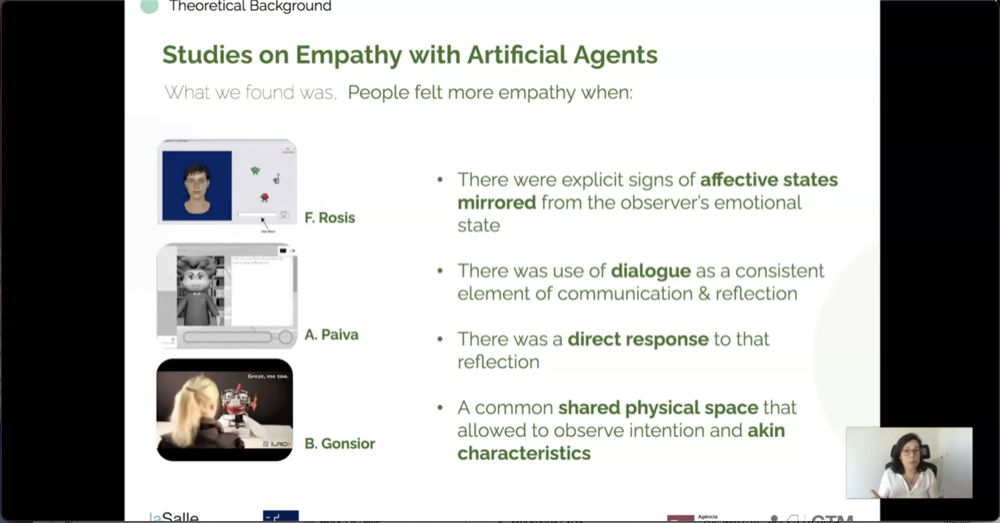
In reviewing HCI literature, three gaps emerged: fragmented theoretical models, limited psychological empathy frameworks, and almost no translation between theory and applied product design.
My question: can we build a model in which humans and AI machines empathize through trust and respect, one that resists abuse, supports intrinsic motivation, and scales ethically?
Phase 01
The Theoretical Framework
Phase 02
Experimental Validation
Phase 03
Applied Translation & Knowledge Transfer
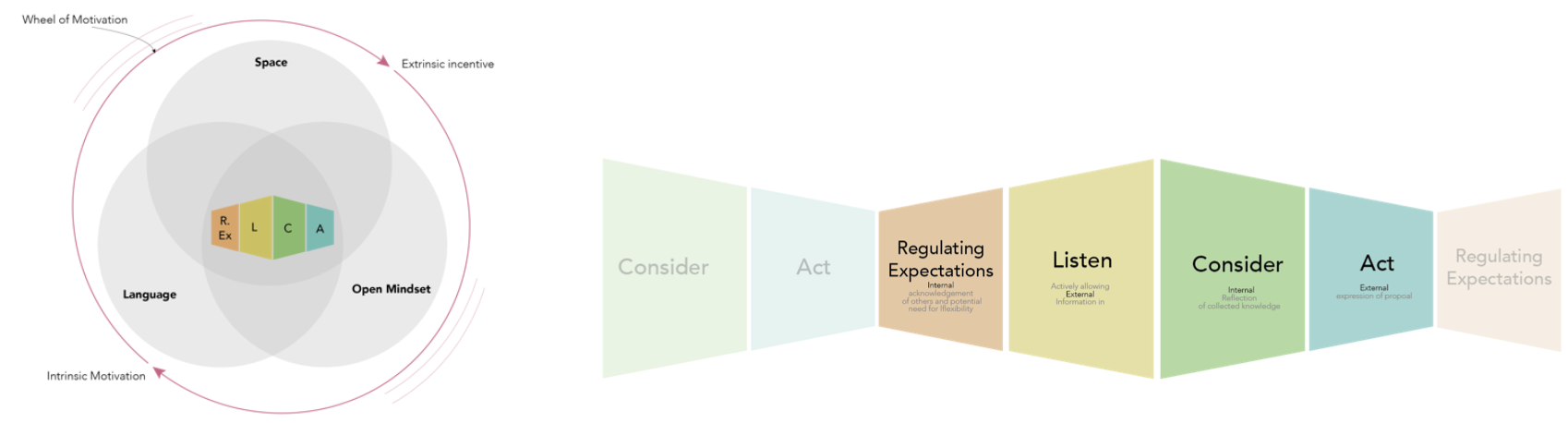
4 cyclical stages:
Regulate Expectations · Listen · Consider · Act
Optimizes for trust formation, intrinsic motivation, and ethical engagement rather than behavioral outcomes.
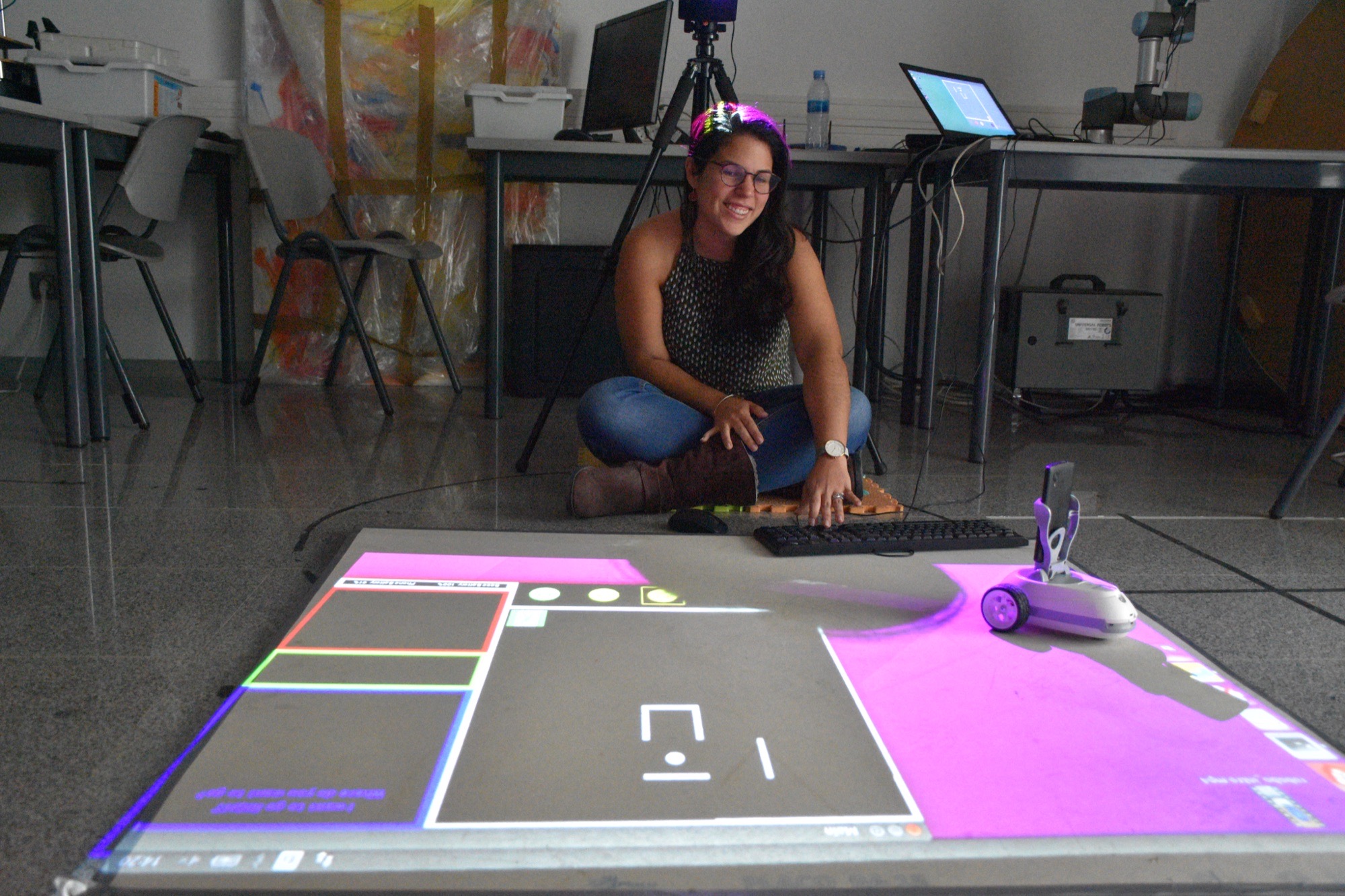
Collaborative maze experiment with social robot. Measured trust formation, mutual respect, emotional response, conflict resolution dynamics.
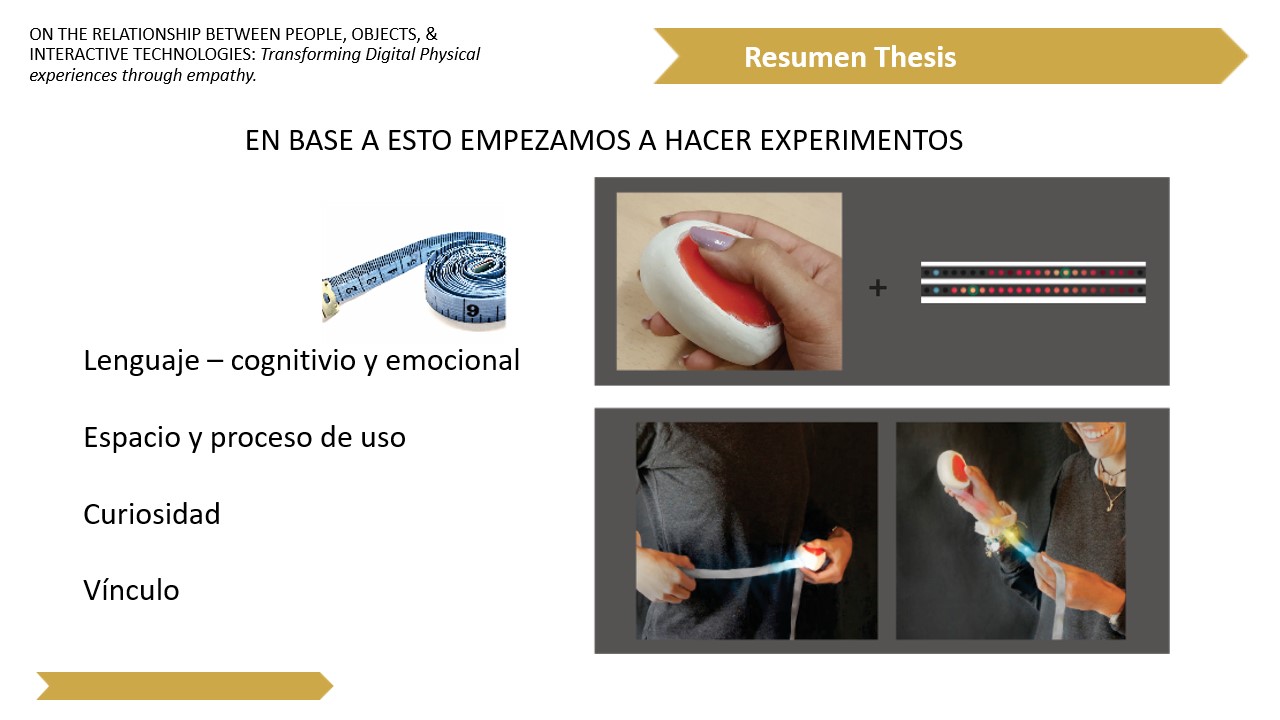
Rollercoaster: emotionally attuned feedback replacing numerical habit tracking.
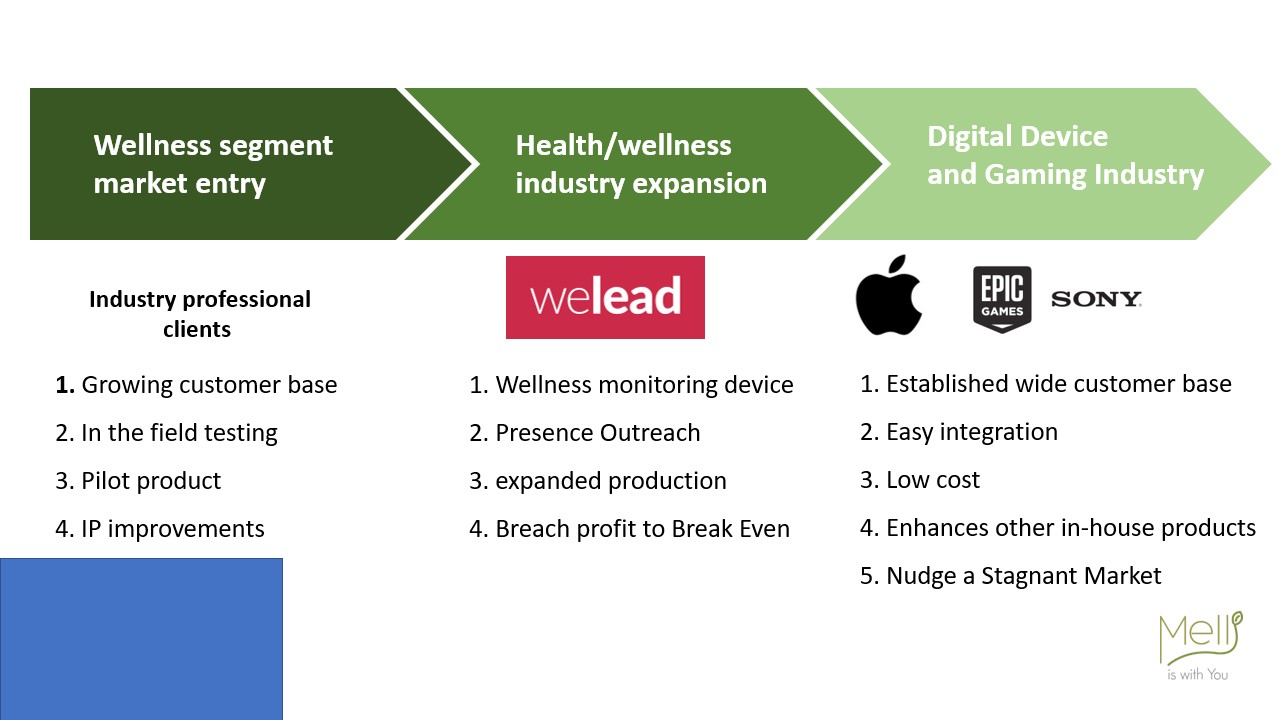
Melli: a scalable affect-detection system for gestures and emotional states → investor rounds.
Published theoretical framework
2 peer-reviewed publications: IEEE RO-MAN 2020 + UMUAI Journal
Workshop paper at the 11th PervasiveHealth 2017 + Llavor Agaur Grant · 1 of 10 selected from 50
KEY RESULTS
7
years
doctoral research program
5
publications
peer-reviewed, IEEE + UMUAI
2
grants
Fi Research + Llavor Agaur
1/10
selected
for the investor round, from 50 projects
WHY THIS MATTERS NOW
Every organization building AI products today faces the gap this research addresses: the risk of creating technically advanced but emotionally misaligned systems. The Realizing Empathy model is a design framework for building AI that earns adoption rather than engineering it.
THE LESSON
Academic rigor, applied early and translated into practice, creates lasting differentiation. In an AI-augmented world, human-centered thinking does not become less relevant; it becomes the differentiator.
← 05: Andy · Product-Led Growth 03: Scaling Human-Centered Capability →