CHAPTER 01 · 2010–2012
Art Gallery Experience
Luxury sensibility, cultural value, and business literacy
THE STRATEGIC DECISION
Eighteen months out of design school, I was not looking for a design assignment. I was looking for a next step that would teach me what design actually costs, what and how it sells, and what it means to the people buying it.
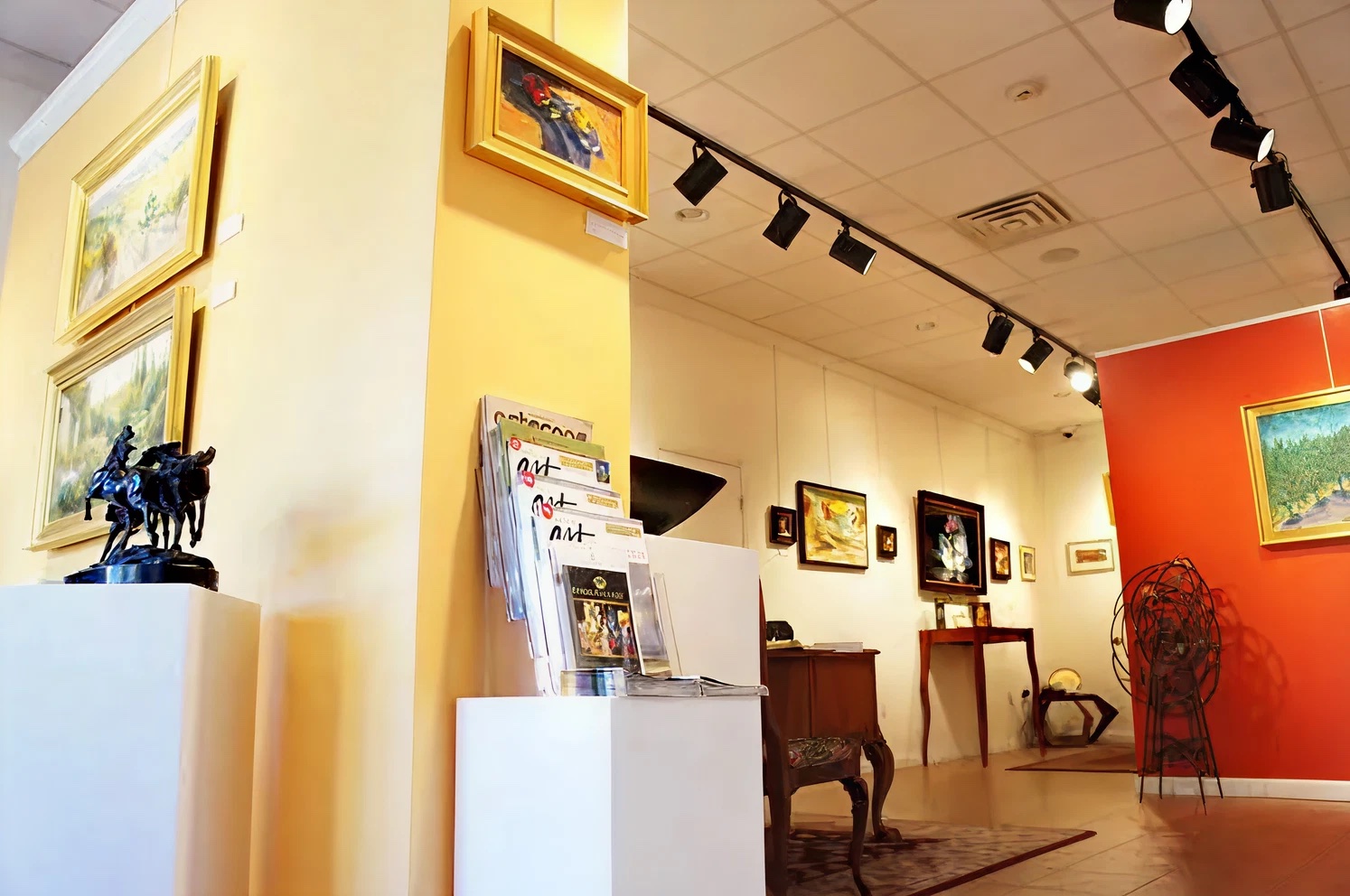
As I exposed myself more to the art gallery scene, I saw how the gallery had a positioning problem disguised as a sales problem. The owner was investing in works, events, and copies to drive revenue through diversity, but their target audience, the collectors who would spend serious money, was not walking in from the street. Considering their frustrations, I realized that the problem was not the product; it was exposure and distribution.
I decided to change that.
WHAT I BUILT
I redesigned the gallery's digital presence not as a portfolio site, but as a qualified collector acquisition tool. Outreach shifted from focusing on local event announcements to editorial placement in Art Collector Magazine with strategically timed openings and engagements and other regional publications where serious buyers already spent their attention.

compared to previous years
art collector clients
4–6 weeks of repositioning
Recognition among top fine art galleries on the U.S. East Coast through magazine features and online visibility. Two of the largest single sales in the gallery's 10-year history.
THE LESSON
Strategic design decisions in the physical space, artwork presentation, and editorial publishing are not decoration applied to a business. They are part of how a business finds and keeps the right customers. Restraint, narrative, and trust-building ARE what drove those numbers within a niche consumer market.
KEY INSIGHT
Sustained growth came from regional and digital client acquisition, not foot traffic alone.
← 02: Entrepreneurial Chapter